The Complete Overview of Fish Filleting Knives: Attributes and Reviews
The manual to fish fillet knives provides a thorough examination of essential characteristics that improve the fillet experience. It addresses edge materials, flexibility, and handle construction, all crucial for obtaining precise slices. Users will discover insights into maintenance and protective procedures as well. Understanding these elements is important for choosing the right instrument. Yet, what truly distinguishes a excellent filleting knife separately? The answer lies in the details that come next.
The Fundamental Traits of a Dependable Fish Filleting Knife
An quality fish filleting knife is marked by numerous vital features that improve its operation and utility. The blade substance is critical; high-carbon stainless steel is preferred for its keenness and durability to rust. A slender, tapered blade enables for precise slicing, guaranteeing spotless cuts. The span of the blade ordinarily spans from 6 to 9 inches, affording flexibility for assorted fish sizes.
The handle is another vital aspect, ideally made from materials like rubber or hardwood that offer a safe, comfortable grip. A properly weighted knife prevents fatigue during extended use, allowing for greater control. Additionally, a flexible blade can aid in maneuvering the contours of the fish, making it easier to separate flesh from bone. Finally, a non-slip design enhances safety, reducing the risk of accidents while filleting. These features collectively contribute to an efficient and enjoyable filleting experience.
The Role of Tool Flexibility in Filleting Performance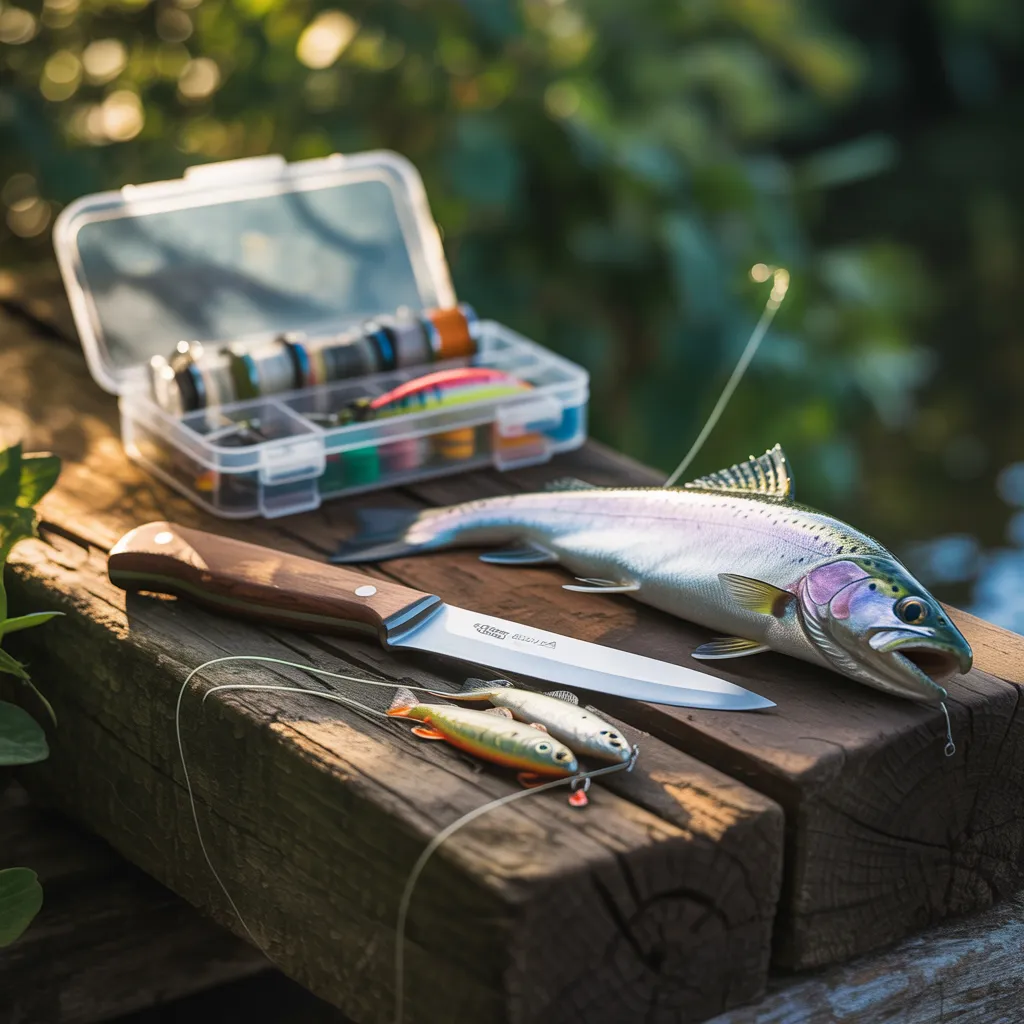
The adaptability of a fish filleting knife's blade is crucial in its functionality. Rigid blades may offer durability for larger fish, while flexible blades allow for accurate slicing along delicate bones and skin. Comprehending the right equilibrium between stiffness and flexibility can greatly enhance the filleting process.
Blade Rigidity Explained
Many variables play a role in skilled fish filleting, yet blade stiffness proves indispensable for determining knife effectiveness. A stiff blade guarantees stability and command, facilitating clean, uniform cuts through thicker portions of fish. This firmness is notably helpful when filleting larger fish species or slicing through bone, as it lowers the danger of warping or misalignment. In contrast, a pliable blade supplies adaptability for delicate operations, though excessive flexibility can lessen accuracy and produce uneven fillets. The suitable stiffness level is significant; it should correspond to your filleting method and the specific fish type being prepared. Fundamentally, grasping blade stiffness helps users select knives that enhance their filleting skill and performance.
Adaptability For Precision Cuts
Blade flexibility plays a essential role in achieving fine cuts during the filleting process. A malleable blade allows for improved adaptability when maneuvering the profiles of fish, find guide enabling the user to follow the natural line between flesh and bone. This flexibility enables delicate maneuvers, especially around the ribcage and fins, ensuring minimal waste and cleaner cuts. Knives with optimal flexibility balance rigidity and bendability, offering enough control while allowing the necessary bend. This quality can greatly enhance the filleting experience, reducing the risk of tearing the flesh and improving the overall quality of the fillet. Ultimately, the proper amount of flexibility is crucial for both novice and experienced fish fillet enthusiasts.
Selecting The Proper Balance
Establishing the correct balance in blade suppleness is essential for ideal filleting performance. A flexible blade allows for accuracy in maneuvering the curves of the fish, enabling smooth cuts along bones and skin. However, excessive flexibility can lead to insufficient control, making it challenging to execute consistent slices. Conversely, a firmer blade may provide more stability but can hinder the ability to follow the delicate lines of the fish's anatomy. Filleting knives typically offer a variety of flexibility choices, catering to different fish types and personal preferences. Understanding one's specific needs—whether for detailed work or larger fillets—will guide the selection of blade flexibility, ultimately enhancing the overall filleting experience.
Determining the Optimal Handle for Support and Maneuverability
Selecting the right handle for a fish filleting knife considerably impacts both comfort and control during the filleting process. Handles are available in various shapes, sizes, and materials, each influencing the user's grip and operational ease. Ergonomic designs encourage natural hand positioning, lessening strain during extended use.
Textured grips improve stability, avoiding slippage when dealing with wet fish. Additionally, the weight and balance of the handle play critical roles; a well-balanced knife allows for cleaner slicing and improved maneuverability.
Users ought to think about their hand size and grip style when picking a handle, since a pleasant grip boosts precision and decreases strain.
Ultimately, the proper handle not only aids in achieving precise fillets but also enhances a more enjoyable fishing experience. Investing time in choosing a handle matching individual preferences can lead to enhanced outcomes in the filleting process.
Optimal Elements for Fish Filleting Knife Blades
Selecting the right knife steel is vital for successful fish fillet preparation. Stainless steel offers strength and corrosion resistance, while high carbon steel is known for its sharpness and edge retention. Ceramic blades, by contrast, present a light option with outstanding sharpness, though they need careful handling.
Stainless Steel Perks
When considering materials for fish filleting knife blades, stainless steel stands out as a prime choice due to its special blend of durability, corrosion resistance, and easy maintenance. This alloy is notably advantageous in aquatic settings, where wet conditions can cause rust and damage in substandard metals. Its inherent strength enables the production of thin, flexible blades that support precise cuts, crucial for successful filleting. Moreover, stainless steel needs minimal maintenance; a quick rinse and dry after use is generally enough to keep it performing well. The combination of this practicality and its aesthetic appeal makes stainless steel a popular option among both amateur and professional fish filleting enthusiasts.
High Carbon Steel Strengths
High carbon steel positions itself as a dependable alternative for fish filleting knife blades, imparting outstanding edge quality and sustained sharpness. Unlike stainless steel, high carbon steel can lock in and sustain a more precise point, making it advantageous for the careful slicing core to filleting. The material is recognized for its hardness, which supports its competence to endure repeated use without dulling quickly. Additionally, high carbon steel blades can be more conveniently sharpened compared to their stainless counterparts, facilitating a individualized edge fine-tuned for the user's preferences. However, they do entail more maintenance to inhibit rusting, making attentive maintenance essential. Overall, high carbon steel yields a synergy of performance and versatility, drawing in both amateur and professional fishers alike.
Ceramic Blade Qualities
Ceramic blades present an innovative option for fish filleting, celebrated for their remarkable hardness and wear protection. Unlike traditional metal blades, ceramic alternatives keep their sharp edge longer, reducing how often you need sharpening. Produced from advanced materials, these blades are lightweight, facilitating effortless maneuverability when filleting fish. Moreover, ceramic withstands corrosion, making it a superior choice for use in moist environments. Nevertheless, ceramic's fragile nature can create a hazard; careless handling or accidentally dropping the knife may result in chipping or breakage. Although ceramic blades excel in precision and longevity, users must be aware of their limitations. In summary, ceramic filleting knives offer a distinctive combination of performance and durability for avid fishers.
What's the Ideal Way to Find a Filleting Knife?
Choosing the perfect filleting knife can substantially improve the convenience and accuracy of fish processing. When choosing a filleting knife, multiple key factors should be considered. Blade flexibility is important; a more supple blade enables accurate slicing along the fish's contours. Generally, a blade length between 6 to 9 inches is ideal for most fish sizes, maintaining equilibrium between control and reach.
The handle's ergonomic properties also function as an key role in securing comfort during prolonged use. A non-slip grip can enhance safety and stability. Material type is another factor; stainless steel affords durability and corrosion resistance, while high-carbon steel can deliver superior sharpness.
Weight and balance are critical for agility, allowing for better control while filleting. Ultimately, the best knife will cater to the user's individual requirements and tastes, ensuring an efficient and enjoyable fish preparation experience.
Important Care Advice for Your Filleting Knife
Maintaining a filleting knife is essential for ensuring its durability and performance. Regular cleaning is important; after each use, the blade should be cleaned with warm water and soap and dried immediately to avoid rust and corrosion. Avoid using abrasive materials that can scratch the blade's surface.
Proper storage is another key aspect of care. A knife sheath or magnetic rack can preserve the blade from damage and keep it safe when not in use. In addition, routine honing is recommended to maintain the acuteness of the blade, while trained sharpening should be done as needed to achieve superior cutting performance.
Ultimately, it is critical to handle the knife with gentleness, avoiding excessive force that could damage or fracture the blade. By practicing these key maintenance steps, users can maximize the longevity of their filleting knives and guarantee uniform, smooth results during fish preparation.
Commonly Asked Questions
Can a Filleting Knife Be Employed for Different Species of Fish?
Yes, a filleting knife can be applied to other types of fish. Its design permits precision and flexibility, making it suitable for multiple species. However, custom knives may boost effectiveness for targeted tasks.
How Often Do I Need to Sharpen My Filleting Knife?
A fillet knife should be sharpened regularly, ideally after every few uses, to keep its edge. Frequent sharpening assures precision and efficiency when preparing fish, enhancing the overall filleting task for the user.
What Is the Ideal Length for a Filleting Knife Edge?
The perfect filleting knife features a blade that measures between 6 to 9 inches in length. This size supplies the essential flexibility and command, facilitating for accurate cuts while accommodating various fish sizes and varieties efficiently.
Should You Think About Power-Driven Filleting Knives as a Valuable Purchase?
Fish filleting knives powered by electricity can be worth considering for those who stress speed and comfort. They cut down on filleting time significantly, making them suitable for regular users, though traditional blades continue to appeal to traditionalists and enthusiasts.
What Steps Should I Take to Safely Store My Filleting Knife?
To securely keep a filleting knife, use a protective sheath or magnetic strip, ensuring the blade is covered. Keeping it in a particular drawer or knife block prevents accidents and maintains the knife's quality.